Introduction
In today’s fast-paced world, many moms feel pressure to keep their children constantly entertained. From educational apps to structured activities, playdates, sports, and enrichment classes, childhood often feels scheduled from morning to night. While these activities can be helpful, there is one important element many families overlook: boredom time.
Boredom time is not about neglect or lack of engagement. It is the intentional space where children are not directed, entertained, or structured by adults. It is in these quiet, unplanned moments that creativity, imagination, and independence begin to grow.
Many moms worry when their children say “I’m bored,” but research and child development experts suggest that boredom is actually beneficial. It gives children the opportunity to think, create, problem-solve, and discover their own interests without constant stimulation.
This article explores why boredom time is powerful, how it supports development, and how moms can comfortably allow it without guilt—especially in homes that are becoming more mindful and less overstimulating, like the ideas shared in low-stimulation home environments.
Why Children Need Boredom
Boredom is often misunderstood as something negative, but it is actually a natural state that encourages growth. When children are not being entertained, their minds begin searching for something meaningful to do. This process leads to creativity and problem-solving.
Without boredom, children can become overly dependent on external stimulation. This may make it harder for them to play independently or think creatively on their own.
Boredom also helps children slow down mentally. In a world filled with screens, sounds, and constant input, quiet time is essential for emotional balance and focus.
How Boredom Builds Creativity
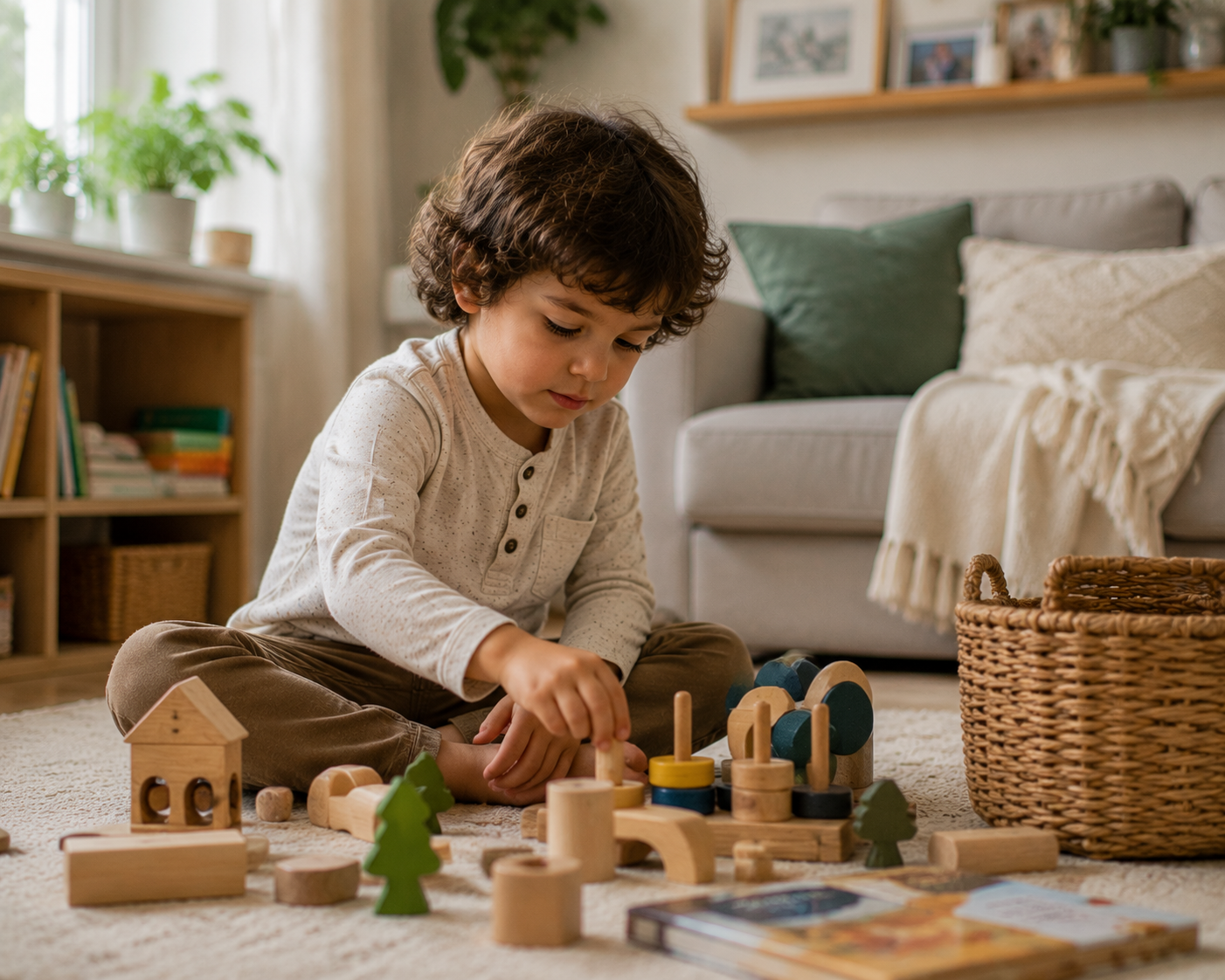
 When children experience boredom, their imagination becomes active. A simple toy can turn into a story, a box can become a spaceship, and a blanket can become a fort. These moments of imaginative play are not random—they are signs of creative development.
Creative thinking develops when children are not told exactly what to do. Instead of following instructions, they begin to create their own ideas. This ability is important not only for play but also for future problem-solving skills in school and life.
Independent play is also a core part of family routines that many moms are now embracing through structured balance days like family reset days, where children learn both structure and freedom.
Boredom and Emotional Independence
One of the most important benefits of boredom is emotional independence. When children are always entertained, they rely on external input to regulate their emotions. When they are bored, they learn to sit with their feelings and manage them independently.
This does not mean children should be left unsupported. It means they are given safe space to experience quiet moments without immediate distraction.
Over time, this builds resilience. Children learn that they do not always need constant stimulation to feel okay. This skill becomes valuable as they grow older.
Why Moms Struggle With Allowing Boredom
Many moms feel uncomfortable when their children are bored. There is often a fear that boredom means failure or poor parenting. Social media can increase this pressure by showing children constantly engaged in structured activities.
However, constantly entertaining children can actually create more stress for parents. It places responsibility on moms to always be the source of stimulation.
Allowing boredom shifts that responsibility. It gives children space to develop their own interests while giving moms a moment to breathe—something closely connected to the emotional balance discussed in balancing parenting and personal time.
What Happens When Kids Are Always Entertained
When children are constantly entertained, they may struggle with independent play. They might ask for screens more often, become easily bored without stimulation, or rely heavily on adults to guide their activities.
This can limit creativity and make transitions between activities more difficult. It can also increase frustration when entertainment is not immediately available.
Boredom helps balance this by teaching children that they can create their own fun without external input.
Healthy Ways to Allow Boredom Time
Allowing boredom does not mean removing structure completely. It simply means creating intentional space where children are free to choose what they do.
- Set aside unstructured play time each day
- Limit back-to-back activities
- Provide simple toys without instructions
- Avoid immediately solving boredom for children
- Create a calm environment similar to low-stimulation homes
At first, children may resist boredom. They may say they have nothing to do. This is normal. Over time, they begin to adjust and explore their surroundings in new ways.
Simple Play Ideas That Encourage Boredom Benefits
 You do not need expensive toys to support creativity. Simple materials often work best. Blocks, paper, crayons, dolls, toy cars, and household items can all become tools for imagination.
The key is not the toy itself, but the lack of direction. When children are not told how to use something, they begin to invent their own games and stories.
Balancing Boredom With Structure
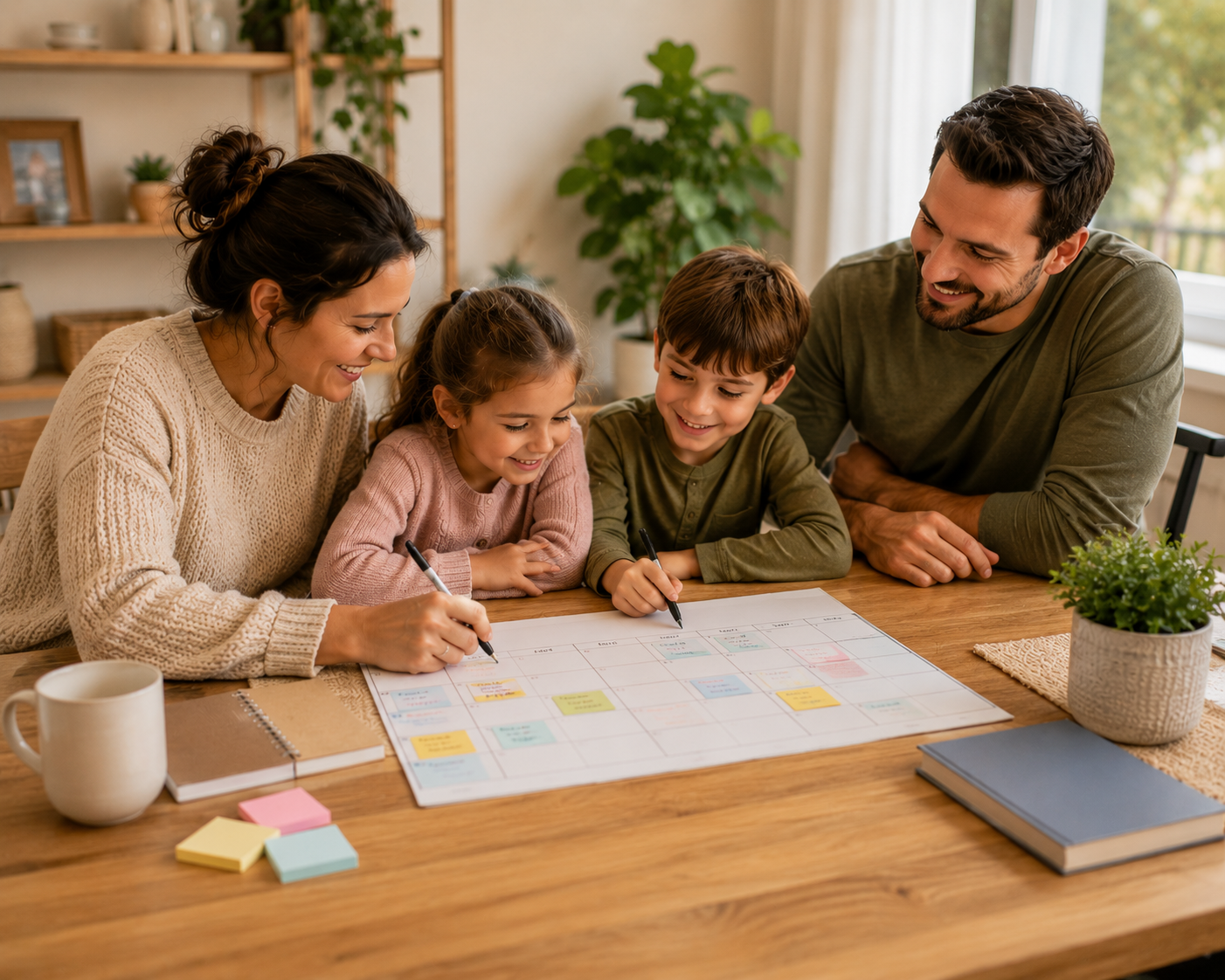
Boredom time works best when balanced with structure. Children still need routines, school, meals, and sleep schedules. The goal is not to remove structure but to avoid over-scheduling every moment of the day.
A healthy balance might include structured mornings, school or activities during the day, and unstructured play in the afternoon or evening.
How Boredom Helps Reduce Screen Dependence
Many children turn to screens when they are bored. However, when screens are not immediately available, they begin to explore other forms of play.
Boredom helps reduce automatic screen use by encouraging children to look for alternative activities. This can lead to more reading, drawing, building, and imaginative play.
What Moms Can Do Instead of Entertaining
Instead of feeling responsible for constant entertainment, moms can focus on creating an environment that supports independent play.
This includes setting up safe spaces, providing simple materials, and allowing children time to explore on their own. Moms do not need to be involved in every moment of play.
Sometimes the most powerful thing a mom can say is, “I trust you to figure out what to do.”
Conclusion
Boredom time is not wasted time. It is one of the most valuable tools for raising creative, independent, and emotionally resilient children. When moms allow space for boredom, they are giving their children the opportunity to develop imagination, confidence, and self-direction.
It can feel uncomfortable at first, especially in a world that values constant productivity and entertainment. However, small moments of boredom can lead to meaningful growth over time.
By embracing boredom instead of avoiding it, moms can create a healthier balance in the home and support their children’s long-term development in a natural and powerful way. Learn more about child development at Child Mind Institute.