
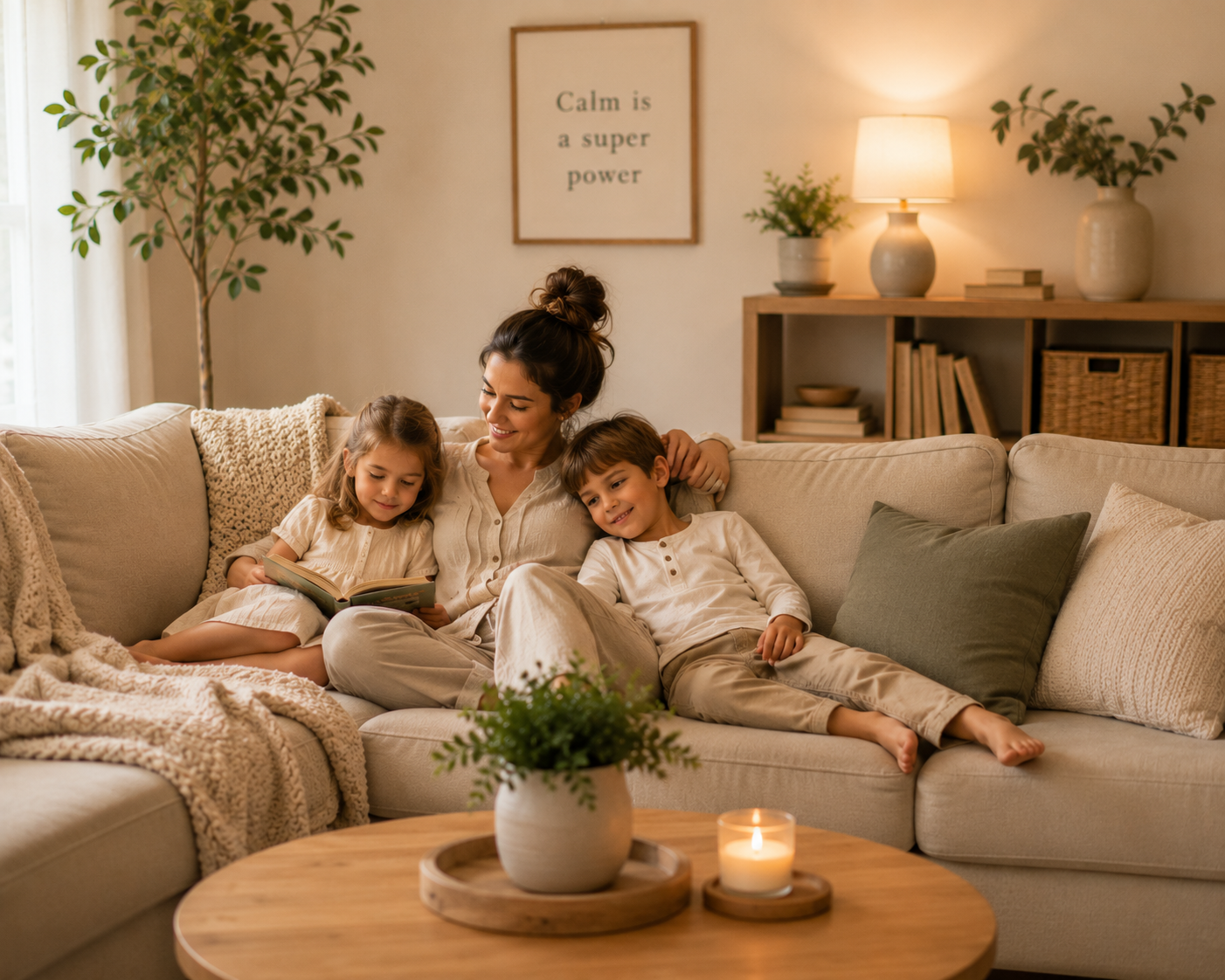
Many moms are looking for ways to make home feel calmer, softer, and less overwhelming for their children. Between screens, loud toys, packed schedules, bright lights, clutter, school demands, and daily routines, kids can become overstimulated without anyone realizing it at first. A low-stimulation home is designed to reduce unnecessary noise, clutter, and pressure so children can feel more settled and emotionally secure.
A low-stimulation home does not mean a boring home. It does not mean removing fun, color, play, or personality. Instead, it means creating an environment that gives children room to breathe, think, rest, and play without constant sensory overload. For moms, this can also make daily life feel more peaceful and manageable.
More families are becoming interested in this approach because modern homes can easily become busy and distracting. Toys pile up, devices stay on, schedules become too full, and everyone feels rushed. By making a few thoughtful changes, moms can create a calmer space that supports better moods, smoother routines, and stronger family connection.
What Is a Low-Stimulation Home?
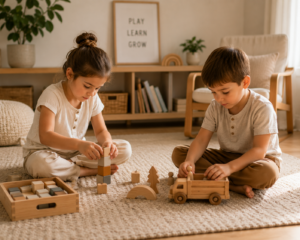 A low-stimulation home is a living environment that limits unnecessary sensory input. This can include reducing loud sounds, visual clutter, harsh lighting, too many toys, constant screen time, and overly packed routines. The goal is to create a space where children feel calm, focused, and safe.
This approach is especially helpful for children who become easily overwhelmed, but it can benefit almost any family. Children often respond well to predictable spaces, simple routines, and fewer distractions. When the home feels calmer, kids may have an easier time playing independently, listening, relaxing, and transitioning from one activity to another.
For moms, a low-stimulation home can also reduce stress. When there is less clutter, less noise, and fewer unnecessary demands, the home can feel easier to manage.
Why Kids Become Overstimulated at Home
Children are constantly taking in information from their surroundings. Bright screens, background television, noisy toys, messy rooms, and frequent transitions can all add up. Even if each thing seems small, the combination can leave children feeling restless, emotional, or irritable.
Overstimulation may show up as tantrums, difficulty listening, trouble sleeping, constant movement, clinginess, or emotional outbursts. Sometimes children are not being difficult. They may simply be overwhelmed by too much input at once.
Creating a low-stimulation home helps reduce some of that extra pressure. It gives children a more peaceful environment where their bodies and minds can slow down.
Start by Reducing Visual Clutter
One of the easiest ways to create a calmer home is to reduce visual clutter. A room filled with too many toys, papers, clothes, decorations, and random items can feel busy to both children and adults. Kids may have trouble focusing when everything is out at the same time.
Start small by choosing one area, such as the living room, playroom, or bedroom. Use baskets, bins, shelves, or drawers to give items a clear place. You do not need to remove everything. Simply keeping fewer items visible can make the room feel calmer.
Toy rotation can also help. Instead of keeping every toy available, place some away and bring them out later. Children often play more deeply when they have fewer options.
Create Calm Play Spaces
A calm play space does not need to be fancy. It simply needs to feel inviting and easy to use. Choose a small area where your child can play without too many distractions. Include simple toys, books, blocks, puzzles, dolls, art supplies, or open-ended materials.
Open-ended toys are helpful because they encourage creativity without overwhelming the child. Wooden blocks, pretend play items, building toys, and simple art materials can support imagination and independent play.
A calm play space should also be easy to clean. When children know where items belong, cleanup becomes less stressful for everyone.
You may also link younger families to 9 Letter Recognition Activities for Kids for simple learning activities that do not rely heavily on screens.
Lower Background Noise
Background noise can affect the mood of the entire home. Television playing in the background, constant phone alerts, loud videos, and noisy toys can make it hard for children to concentrate or settle down. Even when kids seem used to noise, their nervous systems may still be processing it.
Try creating quiet periods during the day. Turn off the television when no one is watching. Silence nonessential phone notifications. Choose softer music during calm parts of the day. These small changes can make the home feel more peaceful almost immediately.
This does not mean the home needs to be silent. Children need laughter, play, and movement. The goal is to reduce unnecessary noise so there is more space for calm connection.
Use Softer Lighting
Lighting can strongly affect the way a home feels. Bright overhead lights may make a room feel harsh, especially in the evening. Softer lighting can help signal that it is time to slow down.
Use lamps, natural light, warm bulbs, or dimmer settings when possible. Open curtains during the day to let in sunlight. In the evening, reduce bright lighting during dinner, bath time, and bedtime routines.
Soft lighting can help children transition from active play to rest. It can also make shared spaces feel more cozy and relaxing for the whole family.
Build Predictable Routines
Children often feel calmer when they know what to expect. Predictable routines help reduce stress because they create a sense of safety. A routine does not need to be strict or complicated. It can simply be a familiar pattern that happens most days.
For example, an evening routine might include dinner, cleanup, bath, pajamas, reading, and bedtime. A morning routine might include getting dressed, breakfast, brushing teeth, packing bags, and leaving for school.
When children know what comes next, transitions may become easier. Moms may also feel less pressure because the family has a clear rhythm to follow.
If busy routines are causing stress, you may include an internal link to How to Juggle Parenting and Personal Time Without Feeling Guilty.
Reduce Screen Overload
Screens are part of modern family life, but too much screen time can increase stimulation. Fast-moving videos, bright colors, and constant sound can make it harder for some children to settle afterward.
A low-stimulation home does not require banning screens completely. Instead, create thoughtful limits. You might choose screen-free meals, no screens before bed, or specific times for shows and games.
It can also help to replace some screen time with calmer activities. Reading, drawing, puzzles, pretend play, baking, outdoor walks, and quiet music can give children something soothing to do.
For additional family media guidance, visit HealthyChildren.org from the American Academy of Pediatrics.
Simplify the Family Schedule
A low-stimulation home is not only about the physical space. It is also about the pace of family life. Children can feel overstimulated when every day is packed with activities, errands, homework, and rushed transitions.
Look at your family calendar and notice where you can create more breathing room. Maybe one activity can be paused. Maybe weekends can include more open time. Maybe after-school hours can be slower and less rushed.
Children need time to rest, play freely, and process their day. Moms need that space too. A simpler schedule can support a calmer home environment.
Create a Calm Bedtime Routine
 Bedtime can be one of the most important parts of a low-stimulation home. Many children struggle to fall asleep when the evening is too rushed, loud, or screen-heavy. A calm bedtime routine helps the body and mind prepare for rest.
Try dimming the lights, turning off screens, using quiet voices, and keeping the routine predictable. Reading together, gentle music, warm baths, and simple bedtime conversations can help children feel safe and relaxed.
A peaceful bedtime routine also gives moms a chance to reconnect with their children after a busy day. Even a few calm minutes together can make bedtime feel less stressful.
Make Room for Outdoor Time
Outdoor time can help balance the quiet structure of a low-stimulation home. Nature gives children space to move, explore, and release energy in a healthy way. Fresh air, natural light, and open space can support better moods and better sleep.
Outdoor time does not have to be complicated. A walk around the neighborhood, time in the backyard, gardening, collecting leaves, or visiting a nearby park can be enough.
When children spend time outside, they often return indoors more grounded and ready for calmer activities.
Support Mom’s Calm Too
A low-stimulation home should support the mother as much as the children. Moms are often sensitive to clutter, noise, and emotional overload too. When the home feels calmer, moms may feel more patient and less drained.
Create one peaceful spot for yourself. This could be a chair, a clean nightstand, a small coffee corner, or a quiet space where you can take a few deep breaths. Even a small area can help remind you that your peace matters too.
For more support, link readers to Top 10 Self-Care Tips Every Busy Mom Needs to Know.
Do Not Aim for Perfection
A low-stimulation home does not need to look like a magazine. Real homes have laundry, toys, dishes, and busy moments. The goal is not perfection. The goal is creating a home that feels more manageable and supportive.
Start with small changes. Lower the volume. Put away a few toys. Create a quiet bedtime routine. Clear one surface. Turn off background television. Each small step helps build a calmer environment.
Some days may still feel loud or messy, and that is normal. A low-stimulation home is a flexible approach, not a strict rulebook.
Conclusion
More moms are creating low-stimulation homes because modern family life can feel overwhelming for both children and parents. By reducing clutter, noise, screen overload, harsh lighting, and overscheduled routines, families can create a calmer and more peaceful environment.
A low-stimulation home gives children space to rest, play, focus, and feel emotionally secure. It also helps moms feel less overwhelmed by daily life. The best part is that this approach does not require major changes. Small, thoughtful adjustments can make the home feel softer and more supportive.
When your home feels calmer, your family may find more room for connection, creativity, rest, and joy.