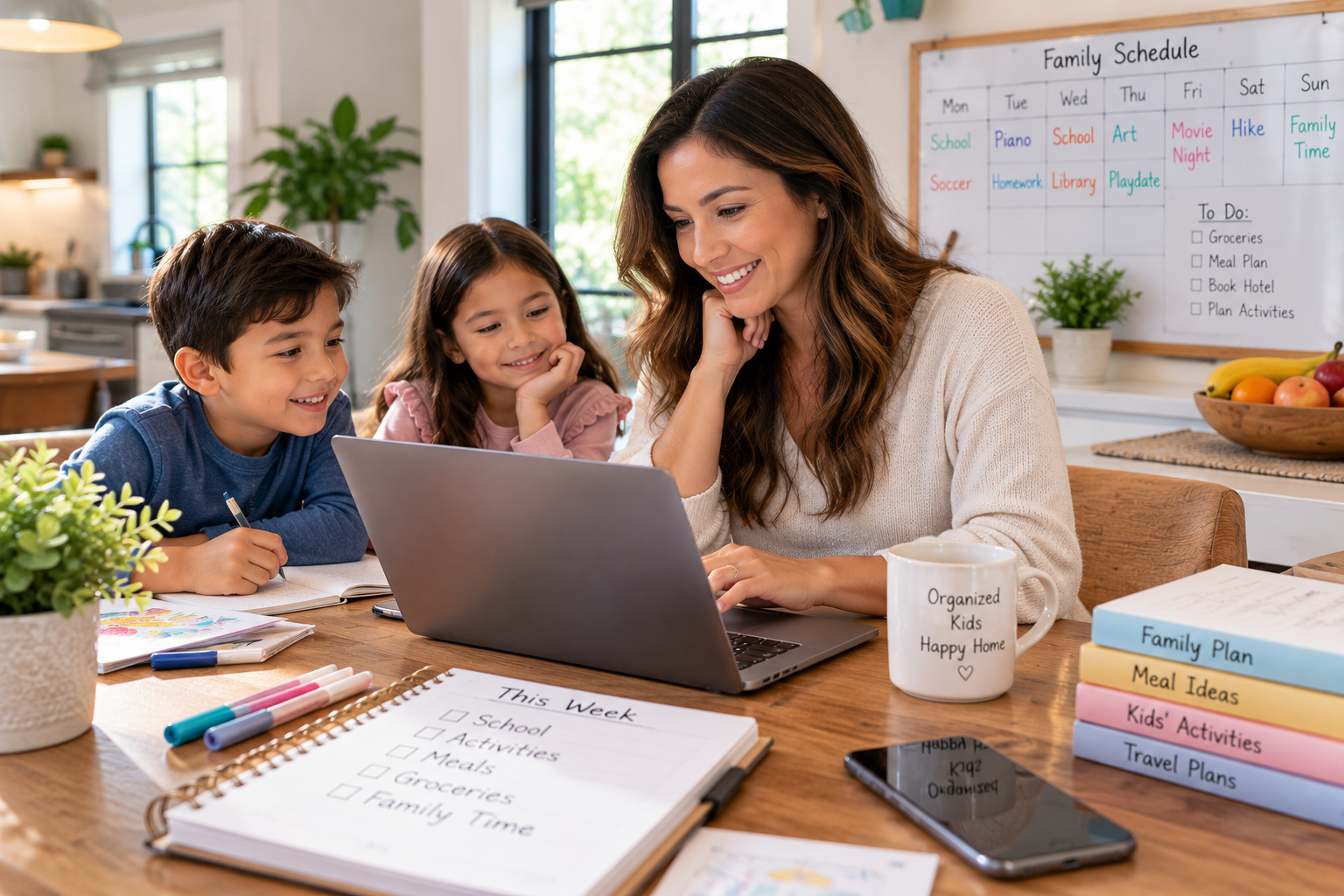
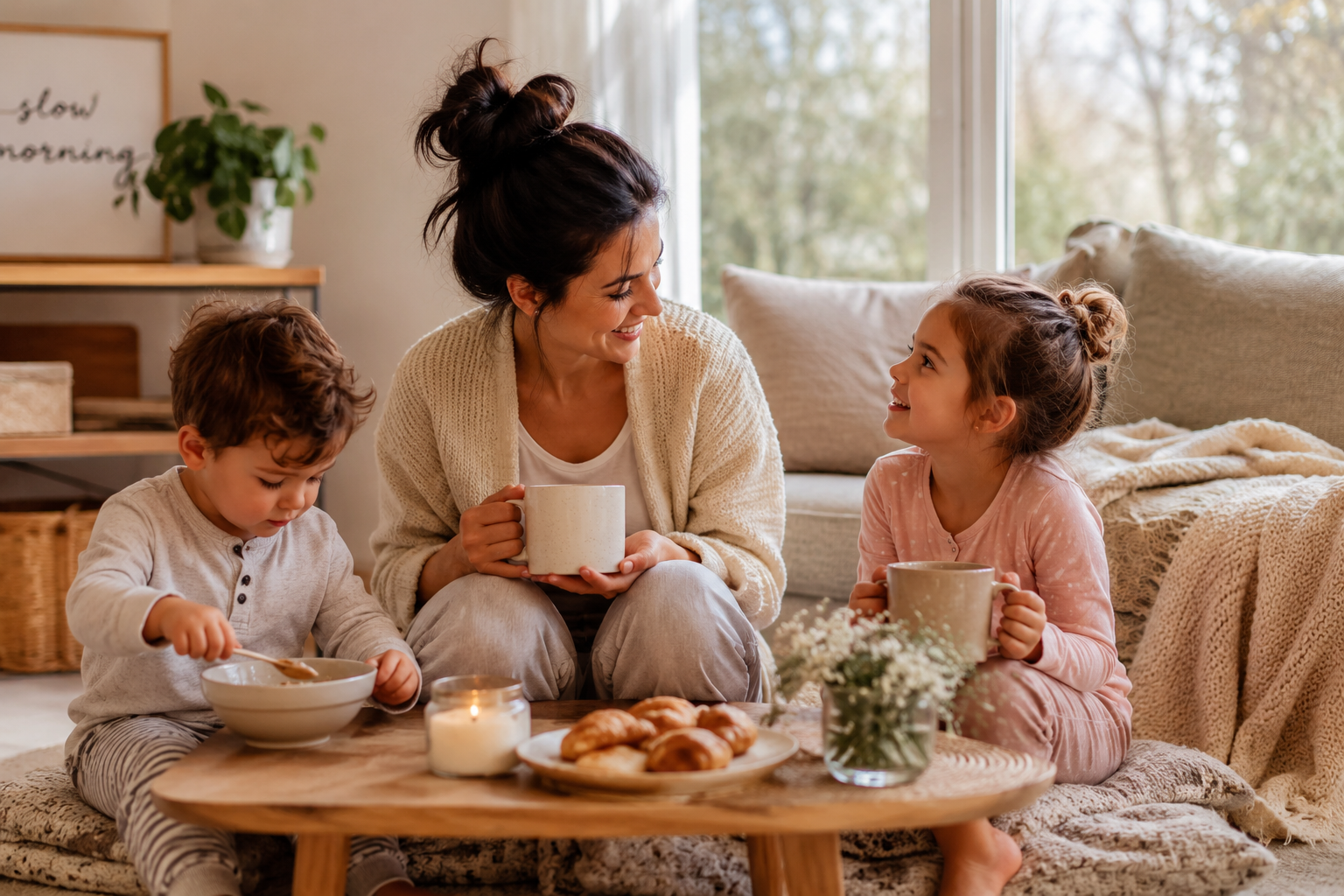
Modern motherhood often feels rushed. Between school schedules, work responsibilities, activities, errands, and constant notifications, many moms feel pressure to do more every single day. Families are busier than ever, and the expectation to always stay productive can leave moms emotionally drained and disconnected from the moments that matter most. Because of this, more parents are embracing a different approach called slow parenting.
Slow parenting is not about being lazy or ignoring responsibilities. It is about intentionally creating a calmer, more meaningful family life. Instead of filling every hour with activities and distractions, slow parenting encourages moms to focus on connection, presence, and emotional well-being. It prioritizes quality over quantity and helps families slow down enough to actually enjoy time together.
As more moms experience burnout and mental overload, slow parenting has become increasingly popular. Families are beginning to realize that children do not always need packed schedules or constant entertainment. Sometimes they simply need present, emotionally available parents and space to grow naturally.
In this guide, we’ll explore why slow parenting is growing, how it benefits both moms and children, and realistic ways to embrace this parenting style without completely changing your lifestyle overnight.
What Is Slow Parenting?
 Slow parenting focuses on creating a less rushed and more intentional family environment. Instead of constantly hurrying from one activity to another, parents allow more time for rest, creativity, play, and connection. The goal is not perfection. The goal is presence.
This parenting approach encourages children to explore the world at their own pace. It gives kids opportunities to problem-solve, use imagination, and develop independence without constant scheduling or pressure. Slow parenting also reminds moms that they do not need to constantly multitask or compare themselves to unrealistic parenting standards online.
Many moms are drawn to slow parenting because it helps reduce stress and creates a more peaceful atmosphere at home. Instead of feeling like every day is a race, families begin focusing on what truly matters.
Why Moms Are Feeling Burned Out
Motherhood today often comes with overwhelming expectations. Moms are expected to manage parenting, careers, home responsibilities, emotional support, social commitments, and digital communication all at once. Social media can make this even harder by constantly showing picture-perfect parenting moments that feel impossible to match.
Many moms feel pressure to enroll their children in multiple activities, maintain spotless homes, cook healthy meals, stay productive, and still make time for self-care. Trying to do everything perfectly often leads to exhaustion.
Slow parenting pushes back against this pressure. It encourages moms to stop measuring success by productivity and instead focus on emotional connection and balance. Choosing a slower pace can help reduce anxiety and allow moms to feel more present in everyday life.
If motherhood has been feeling overwhelming lately, you may also relate to What to Do When You’re Feeling Overwhelmed as a Mom.
The Benefits of Slow Parenting for Children
Children benefit greatly from having unstructured time and emotionally available parents. When kids are constantly rushed between activities, they may feel stressed without fully understanding why. A slower pace allows children to relax, become more creative, and build independence naturally.
Research has shown that free play supports emotional development, creativity, and problem-solving skills. Children often learn important life lessons through boredom, imagination, and independent exploration. Slow parenting creates space for those experiences.
Kids also tend to feel more secure when parents are fully present. Simple activities like cooking together, going on walks, reading books, or talking during meals can strengthen family relationships far more than overscheduled routines.
According to the Child Mind Institute, children benefit emotionally and mentally from slower, more natural experiences like outdoor play and unstructured activities.
How Slow Parenting Helps Moms Too
Slow parenting is not only beneficial for children. It can also improve a mother’s emotional well-being. Constant rushing and multitasking can increase stress levels and leave moms feeling mentally exhausted. Slowing down allows moms to become more mindful and less reactive during daily challenges.
When moms stop trying to do everything at once, they often feel calmer and more emotionally connected to their families. There is less pressure to constantly perform and more room to enjoy everyday moments.
Slow parenting also encourages moms to take better care of themselves. Rest, quiet moments, and personal time become priorities instead of afterthoughts. This creates healthier emotional balance and may reduce feelings of burnout.
You may also enjoy reading Top 10 Self-Care Tips Every Busy Mom Needs to Know for more realistic ways to recharge.
Less Screen Time and More Real Connection
One major reason many moms are embracing slow parenting is the desire to reduce digital distractions. Phones, tablets, and constant notifications can interrupt family time and make parents feel disconnected even while physically present.
Slow parenting encourages more face-to-face interaction and fewer distractions. Instead of constantly checking devices, moms focus on conversations, shared experiences, and intentional moments with their children.
This does not mean eliminating technology completely. It simply means being more mindful about when and how screens are used. Even small changes like device-free meals or screen-free evenings can create more meaningful family interactions.
The American Psychological Association explains how excessive technology use can contribute to stress and emotional fatigue for families.
Simple Ways to Practice Slow Parenting
Slow parenting does not require dramatic lifestyle changes. Small adjustments can make a big difference over time. Many moms start by simplifying schedules and reducing unnecessary commitments.
- Leave extra space between activities instead of rushing all day
- Create screen-free family routines
- Spend more time outdoors together
- Allow children more unstructured playtime
- Focus on presence instead of perfection
- Say no to unnecessary obligations
- Prioritize family meals and conversations
Even slowing down one part of your day can create a calmer atmosphere at home. Some families start with slower mornings, while others focus on more relaxed evenings or weekends.
Letting Go of Parenting Comparison
Comparison is one of the biggest obstacles to slow parenting. Social media often creates unrealistic expectations about motherhood and family life. Moms may feel pressure to constantly achieve, entertain, or keep up with what other families appear to be doing.
Slow parenting encourages moms to focus on their own family’s needs instead of outside expectations. Every child is different, and every family functions differently. What works for one household may not work for another.
Letting go of comparison creates more freedom and confidence in parenting choices. It allows moms to build routines and lifestyles that genuinely support their family’s well-being.
If mom guilt has been affecting your confidence, you may also find support in How to Juggle Parenting and Personal Time Without Feeling Guilty.
Why Children Do Not Need Constant Entertainment
Many parents feel pressure to constantly entertain their children. However, boredom can actually be healthy. When children are given time without structured entertainment, they often become more creative and independent.
Slow parenting allows children to discover hobbies, create games, solve problems, and use imagination naturally. These experiences help build resilience and confidence over time.
Children do not always need packed schedules to thrive. Sometimes slower days filled with simple moments can create stronger emotional memories than expensive activities or nonstop stimulation.
Building Stronger Family Relationships
 At its core, slow parenting is about connection. Families often feel closer when they spend time together without constant rushing. Shared meals, walks, conversations, and quiet evenings can become meaningful traditions that children remember for years.
Slow parenting also creates opportunities for better communication. When families are less rushed, parents are more likely to notice emotional changes, listen carefully, and respond with patience instead of stress.
Strong relationships are built through consistent small moments, not necessarily grand experiences. Slowing down gives families more opportunities to create those moments naturally.
According to Parents.com, intentional family time and reduced overscheduling may help strengthen emotional bonds and reduce stress for both parents and children.
Slow Parenting Does Not Mean Perfect Parenting
It is important to remember that slow parenting is not about perfection. There will still be busy days, stressful moments, and unexpected challenges. The goal is simply to become more intentional and mindful over time.
Some days may feel calm and balanced, while others may feel chaotic. That is completely normal. Slow parenting is not about eliminating responsibility. It is about making choices that support emotional well-being and meaningful connection whenever possible.
Moms do not need to completely change their lives overnight to benefit from this parenting style. Small steps toward slowing down can still create positive changes for the entire family.
Conclusion
More moms are choosing slow parenting because modern life often feels too rushed and emotionally exhausting. Families are beginning to recognize that constant busyness does not always create happiness or stronger relationships. Slowing down allows parents to become more present, reduce stress, and focus on meaningful connection instead of constant productivity.
Slow parenting reminds moms that childhood moves quickly, and simple moments often matter the most. A slower pace creates more room for conversation, creativity, emotional growth, and family connection.
You do not need a perfect routine or a completely stress-free life to practice slow parenting. Even small intentional changes can help create a calmer and more fulfilling home environment. By focusing less on doing everything and more on being present, moms may discover a healthier and more peaceful way to experience motherhood.